
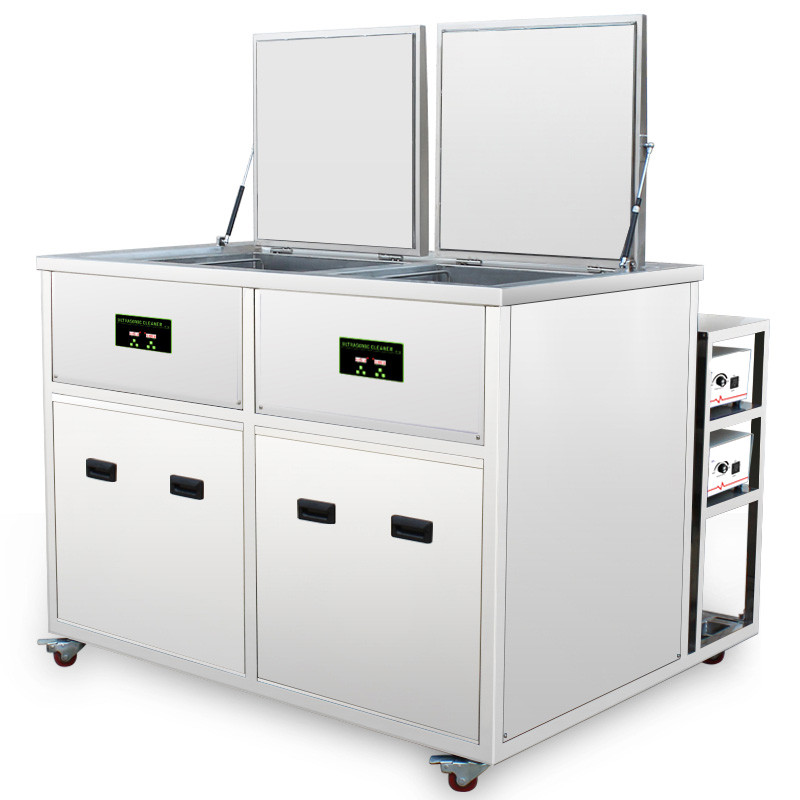
Multi-Tank Ultrasonic For Mould Ultrasonic Cleaning And How Does It Work?
Mould Ultrasonic Cleaning uses high frequency sound waves to generate cavitation in the liquid. The resulting energetic bubble action penetrates blind holes, cracks, and recesses to thoroughly remove all traces of contamination adhering or embedded on the solid surface. Contaminants can include dust, dirt, oil, pigments, grease, polishing compounds, flux agents, soot, and more.
Cleaning Sequence
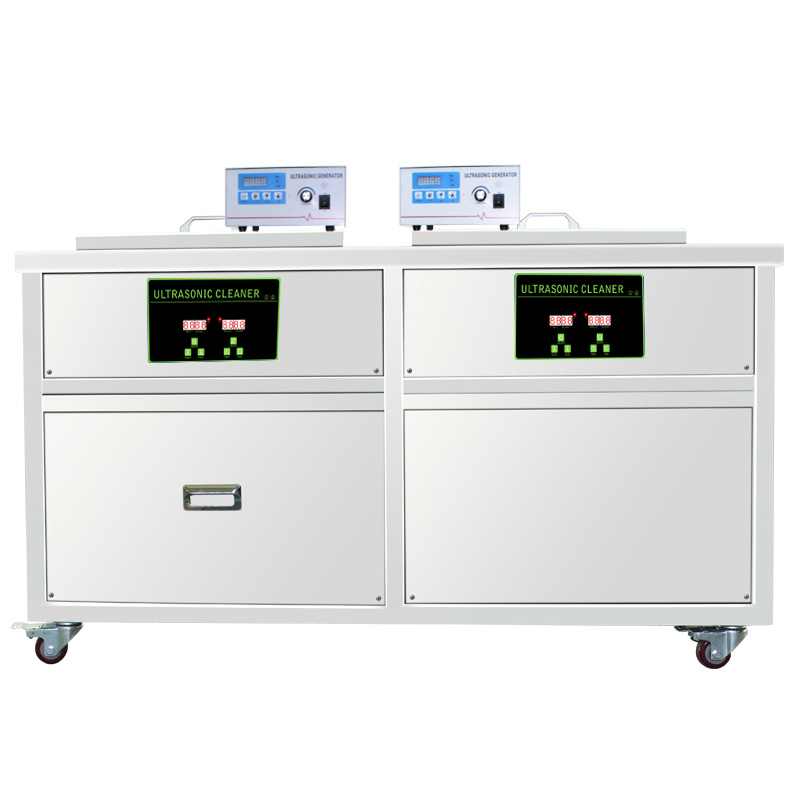
BATH 1: Pre cleaning and Hot Degreasing ultrasonic bath for injection mould
Complete removal of various forms of surface contamination by means of ultrasound and hot cleaning solutions.
BATH 2:mould Ultrasonic Bath with Rinsing, Grease/Cleaning, Solution Removal
Rinsing of residual grease/dirt and cleaning solution from the component to avoid cross contamination of subsequent bath.
How injection mould Ultrasonic cleaning machines working
injection mould Ultrasonic bath work on the principle of agitating cleaning solvents using high frequency sound waves, the ultrasonic agitation creates millions of microscopic bubbles that implode releasing vast quantities of energy, this action, know as cavitations, dislodges any contaminant stuck to the surface of a part, ultrasonic cavitation thoroughly cleans every surface in contact with the cleaning fluid
Ultrasonic Mold Cleaning Machine which cleans the components through multi stage ultrasonic cleaning and rinsing processes.
Rinsing is carried out by ultra pure DM water which is followed by drying through IR, hot air and curing stations. An ultrasonic cleaning process with the help of ultrasonic cleaning machine is a mark of high quality cleaning of varied industrial components. Ultrasonic cleaning is followed by hot air, IR and vacuum drying processes.
Benefits:
Reduced labor
Longer mold life
Reduced mold damage from cleaning
Longer runs
Reduced scrap
Why an Ultrasonic Cleaner is Ideal for Injection Molding
In three words: thorough, safe and fast. Contaminants missed by manual cleaning are usually those deep in crevices and on other surfaces impossible to reach. Moreover, highly finished mold surfaces can be scratched or otherwise damaged by manual processes. Large molds can be difficult to maneuver, further risking damage during manual cleaning. And the longer it takes to clean the molds the greater the risk of damage.
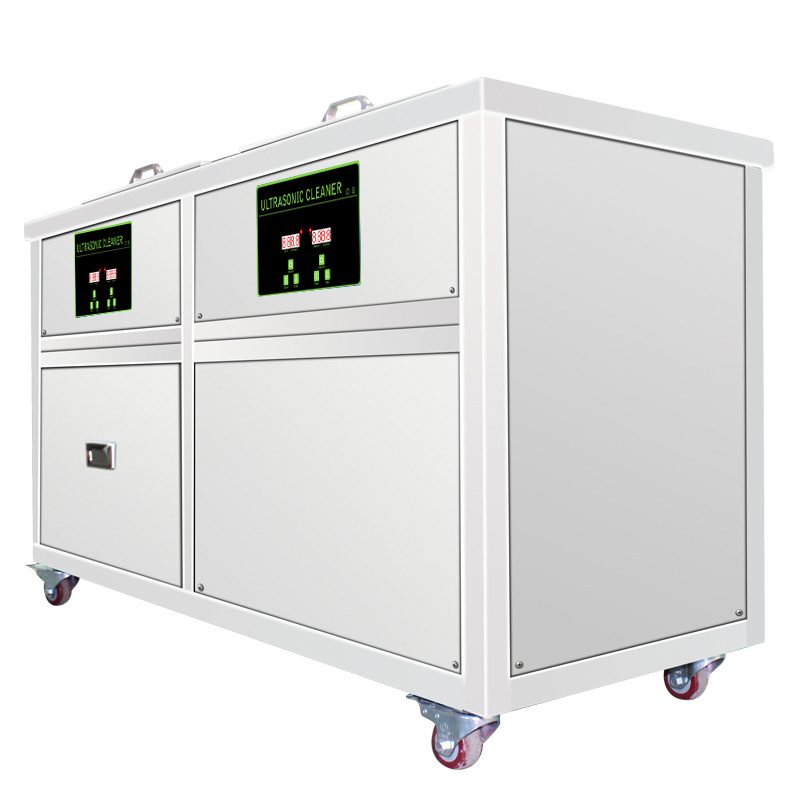
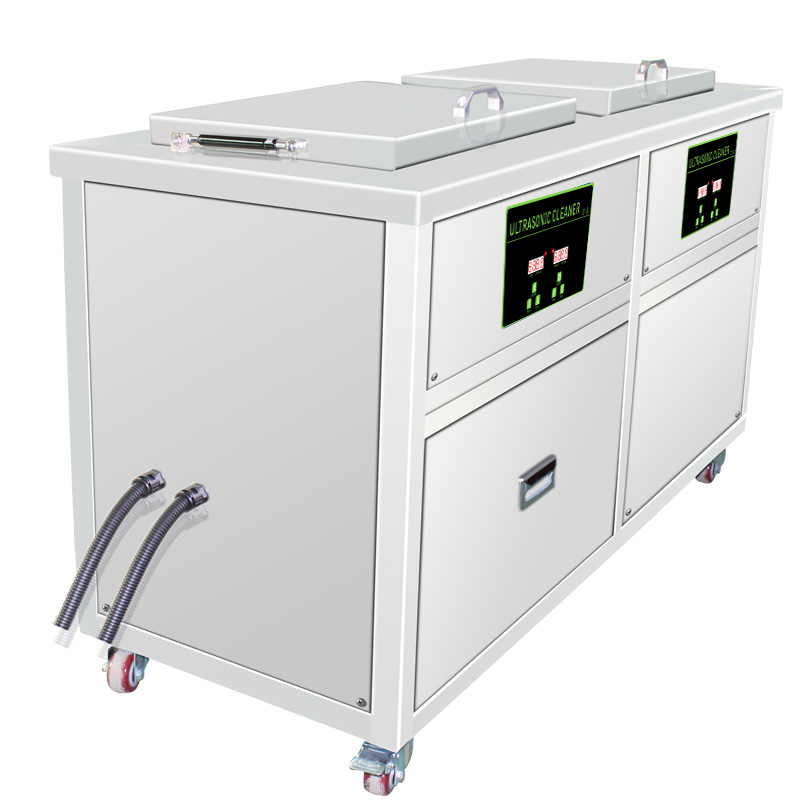
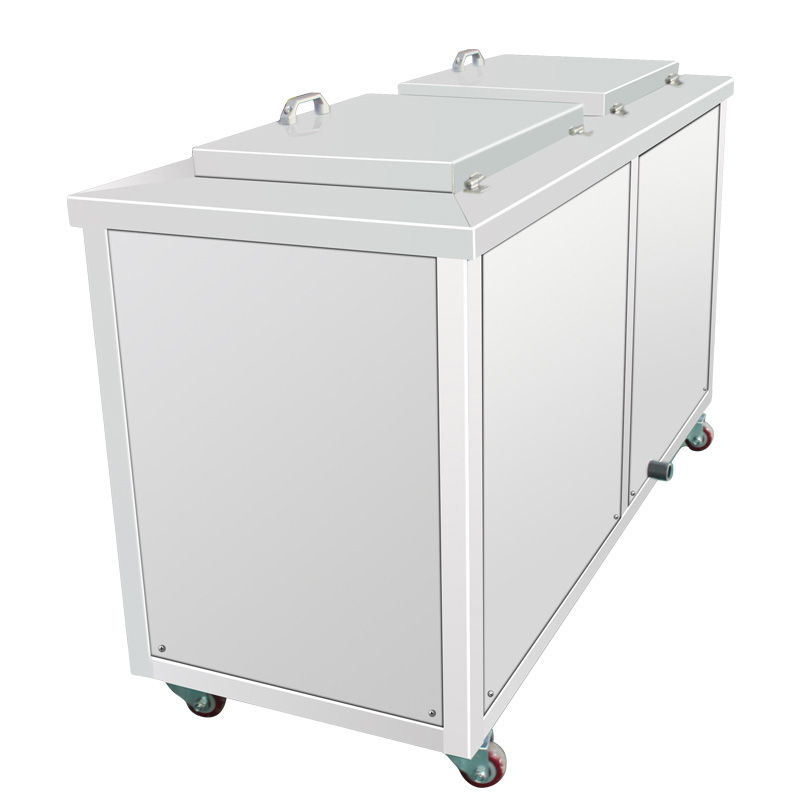
Injection Molds, Blow Molds Ultrasonic Cleaning Machine Specification