|
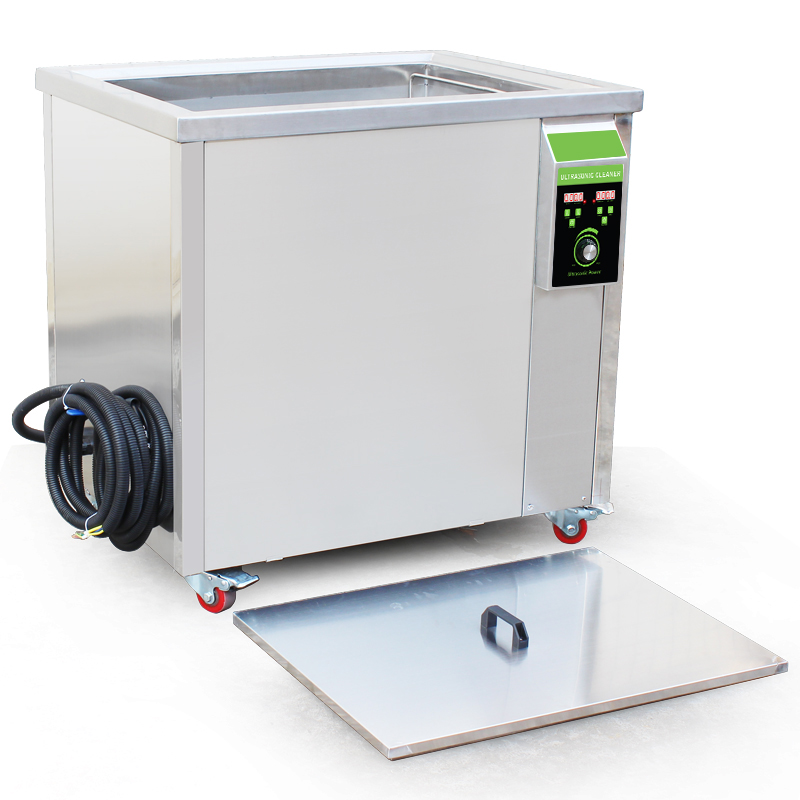
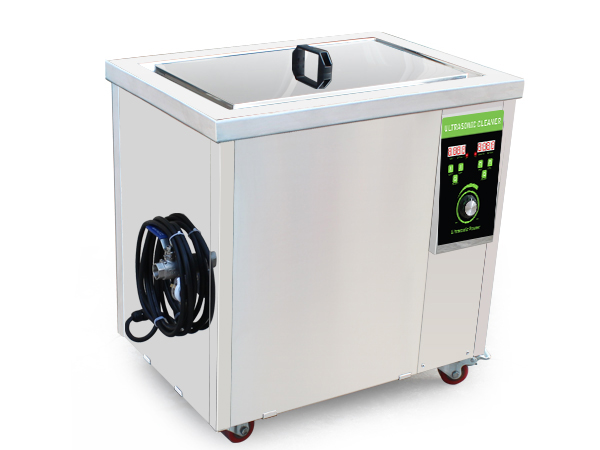
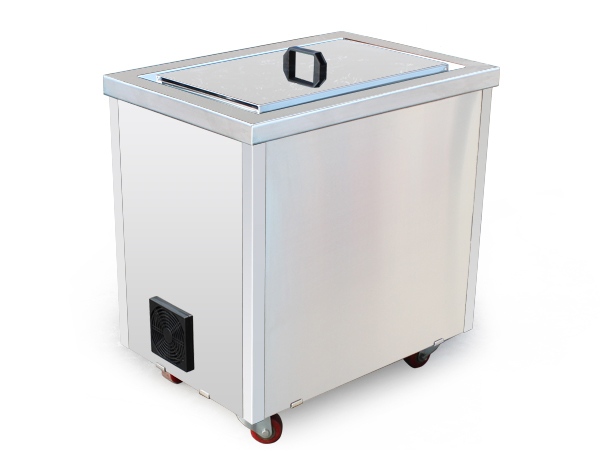
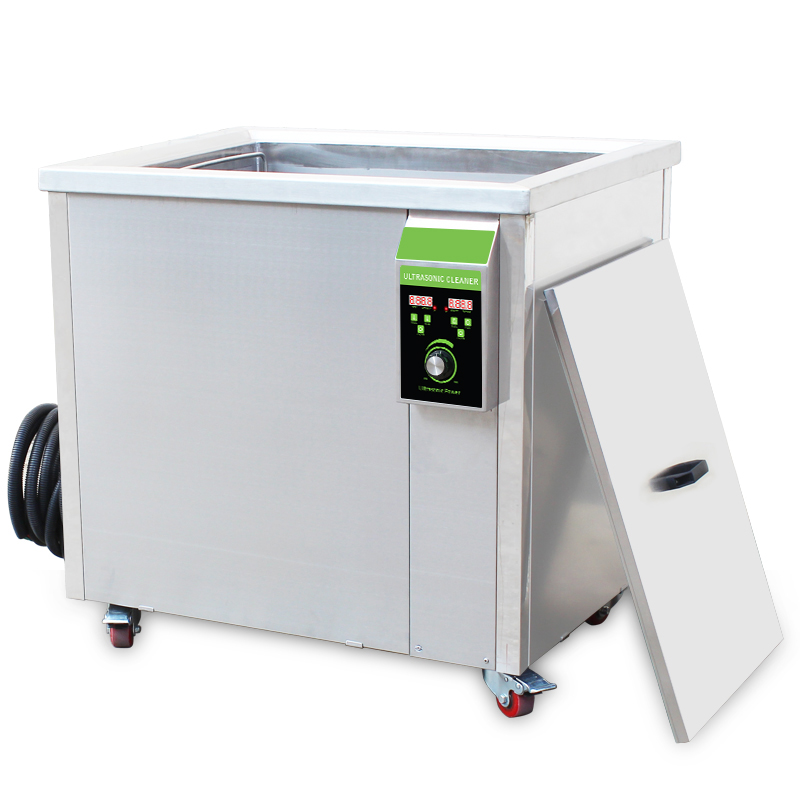
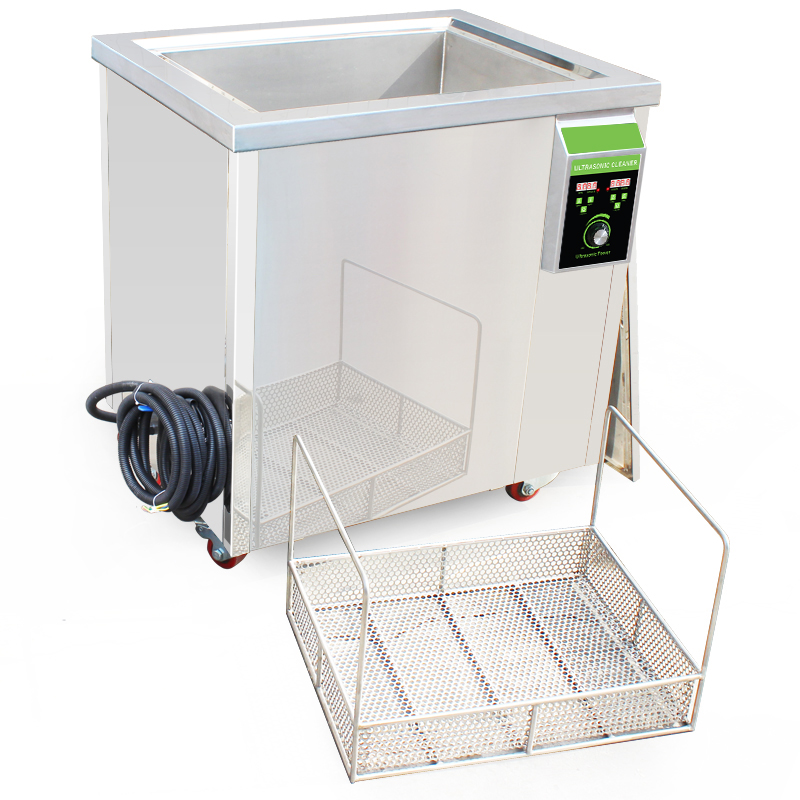
Specifications for ultrasonic cleaner
|
| Model |
T-30S |
|
Tank capacity
|
108L |
|
Tank size
|
600x450x400mm
|
|
Unit size
|
740x590x620mm
|
|
Tank material
|
2mm SUS304
|
|
Ultrasonic power
|
1500W |
|
Heating power
|
3KW |
|
Timer
|
1-99min adjustable
|
|
Heater
|
0-80c adjustable
|
|
Frequency
|
28/40khz
|
|
Control
|
External generator, more stable
|
|
Optional
|
Oil filter system, pneumatic lift, rinsing tank, etc.
|
Today, cleaning engine parts – whether they are small parts like fittings and fasteners, bigger parts like connecting rods and pistons, or even cylinder heads on up to engine blocks – requires attention to the three Es: economics, efficiency and environmental awareness. According to our experts, ultrasonic cleaning can be a profit center of cleaner parts, another step towards insurance of no engine failures, and creates new forms of revenue.
Advantages:
- With separate generator control to avoid water leakage and electric leakage.
- With 5V safe control panel to avoid electric shock.
- Reduced unit size to save the cost.
Why clean parts with ultrasonic?
Delivering and using clean parts is not always obvious, certainly, no one wants to handle a dirty parts or install it into a critical machine, but, dirty, debris and contaminants can cause problems for manufactures and end users, from the merely frustrating to catastrophic, dirty parts can cause critical components to exceed tolerances and even fail damaging valuable equipment and property while contamination (everything from grease, oil and chemicals to viruses and bacteria) can seriously harm users.
Application of ultrasonic cleaner:
- Car service: Flushing carburetors, injectors, injectors, fuel filter mesh cleaning (petrol), individual parts, assemblies, and entire blocks.
- Medicine: Washing and polishing of optics, sterilization and cleaning of surgical instruments, vials, dental and pharmaceutical industries; cleaner reusable, molds.
- Engineering: Cleaning of parts, pipes, wires, etc. before finishing, machining parts and components to the preservation, processing of parts after reopening, welding, grinding, polishing, cleaning strainers in the fuel and hydraulic systems, deburring parts.
- Instrumentation: Washing and polishing of optics, precision mechanics components, integrated circuits and printed circuit boards.